
💻 Computer Technology: The Backbone of the Modern Digital World
In today’s world, computer technology isn’t just a subject — it’s a way of life. From smartphones to satellites, from classrooms to offices, everything runs on technology powered by computers. Understanding it isn’t only for IT professionals anymore — it’s for everyone who wants to grow, learn, and stay relevant in the digital age.

🌐 What Is Computer Technology?
Computer Technology refers to the use of computing systems — hardware, software, and networks — to store, process, and share information efficiently.
It includes:
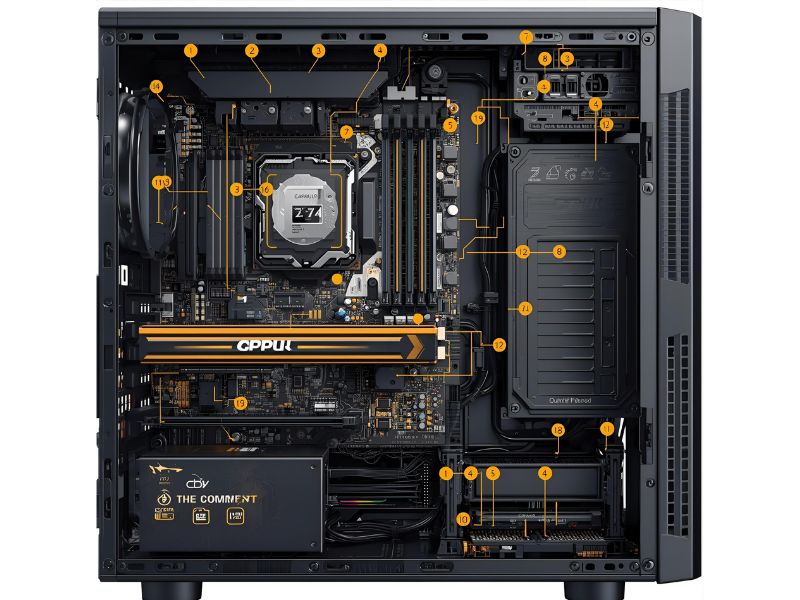
- Hardware: The physical components like CPU, monitor, keyboard, and motherboard.
- Software: The programs and applications that tell hardware what to do.
- Networking: The system that connects devices and enables communication.
- Applications: Tools that simplify daily life — from Excel sheets to AI chatbots.
👉 In simple terms:
Computer technology is the art of making life easier using machines that think faster than humans.
🧠 Why Computer Technology Matters in Today’s World
In the 21st century, technology is the new literacy.
Whether you’re a student, business owner, or homemaker, understanding computer technology can transform your personal and professional life.
💼 For Businesses:
- Automates daily operations and improves productivity.
- Enables digital marketing, data analytics, and online sales.
- Reduces cost and increases global reach.
🏠 For Households:
- Simplifies bill payments, communication, and learning.
- Helps children learn coding, design, and research at home.
- Keeps you connected with the world through social media and apps.
🎓 For Students:
- Opens access to global learning platforms.
- Builds critical thinking and problem-solving skills.
- Prepares for future jobs in AI, robotics, and data science.

⚙️ Components of Computer Technology
To understand computer technology deeply, let’s break it into three main parts:
1. Hardware
The tangible part of a computer.
Includes:
- Input devices: Keyboard, mouse, scanner.
- Output devices: Monitor, printer, speakers.
- Storage devices: Hard drives, SSDs, and cloud storage.
- Processing units: CPU and GPU that perform tasks at lightning speed.
2. Software
The invisible brain that makes everything work.
It’s divided into:
- System software – Operating systems like Windows, macOS, and Linux.
- Application software – Tools like MS Office, Photoshop, or Chrome.
- Utility software – Security, antivirus, and optimization programs.
3. Networking and the Internet
The heart of the connected world.
It allows:
- Communication via email, social media, and video calls.
- Cloud computing — storing data online instead of local devices.
- Collaboration tools like Google Workspace, Zoom, and Slack.
🚀 The Evolution of Computer Technology
Computer technology has evolved faster than any other human invention.
Let’s look at its timeline:
- 1940s: First electronic computers were massive machines.
- 1980s: Personal computers (PCs) entered homes and offices.
- 1990s: Internet revolutionized communication and knowledge.
- 2000s: Smartphones made computing portable.
- 2020s: Artificial Intelligence (AI) and Cloud Computing changed everything.
Today, we are living in the AI era, where computers not only process data but also learn, predict, and assist.
💡 Impact of Computer Technology on Society
The influence of computer technology goes beyond gadgets — it shapes how we live, think, and work.
🌍 Positive Impacts:
- Boosts productivity and efficiency in all industries.
- Enables online education and e-learning platforms.
- Improves healthcare through telemedicine and smart diagnostics.
- Empowers people to start businesses from home.
- Creates millions of new career opportunities.
⚠️ Challenges:
- Over-dependence on gadgets and social media.
- Cybersecurity risks and data privacy issues.
- Skill gaps in non-technical individuals.
- Need for continuous learning to stay updated.
👉 Solution:
Digital literacy and continuous learning are the keys to adapting and thriving in this tech-driven age.
🎯 Benefits of Learning Computer Technology
Learning computer technology is no longer optional — it’s essential for success and self-growth.
Here are the top benefits:
- 💼 Career growth and better job opportunities.
- 💻 Ability to work remotely and globally.
- 🚀 Increased productivity and creativity.
- 📚 Access to unlimited online learning resources.
- 💬 Improved communication through digital tools.
- 🔐 Awareness of cybersecurity and online safety.
🧩 Computer Technology and the Digital Future
The future is all about smart machines and smarter humans.
Emerging technologies are expanding the boundaries of what computers can do.
Key trends to watch:
- Artificial Intelligence (AI): Machines that can learn, reason, and assist humans.
- Internet of Things (IoT): Everyday devices connected to the internet.
- Cloud Computing: Data accessible from anywhere, anytime.
- Automation and Robotics: Replacing manual tasks with intelligent systems.
- Blockchain: Enhancing transparency and security in digital transactions.
- Augmented Reality (AR) & Virtual Reality (VR): Redefining experiences in education, gaming, and business.
👉 The message is simple:
Adapt, Learn, and Lead — because the future belongs to the tech-ready.